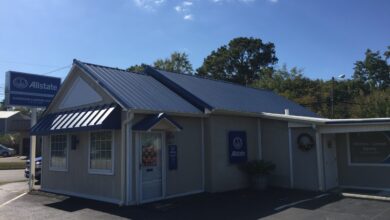
Finding the right coverage in Tuscaloosa is less about buying a policy and more about building everyday confidence. From busy commutes and student driving routes to storm-prone neighborhoods and growing family needs, Allstate-related insurance services often help residents match protection to real local risks.
Think of it as a smart safety net with options that can flex around your car, home, rental space, life goals, and business plans. When coverage is chosen well, it does more than protect property—it protects momentum, stability, and peace of mind.





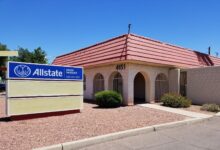
Overview of Allstate Insurance Services in Tuscaloosa
In Tuscaloosa, insurance is not just a policy purchase; it is a practical way to stay ready for busy roads, shifting weather, and everyday financial risks. Allstate is commonly associated with coverage choices that help local households protect what moves, what shelters them, and what supports their future.
Residents often look for different policy combinations because life in Tuscaloosa can vary widely from one neighborhood or routine to another. Daily commuters, University of Alabama area drivers, growing families, renters, homeowners, and small business owners may all need distinct protection levels. Common Allstate-related offerings in the area typically include auto insurance for cars and liability concerns, home insurance for houses and detached structures, renters insurance for apartments and personal belongings, life insurance for long-term family planning, and business protection for property, equipment, and operational risks.
How Tuscaloosa Lifestyles Shape Coverage Priorities
Local conditions influence insurance choices in real ways. Tuscaloosa drivers may spend time on city streets, campus-area traffic, and regional highways, increasing interest in collision, liability, uninsured motorist, and roadside-related protection. Housing patterns also matter: homeowners may want broader dwelling and personal property safeguards, while renters often seek affordable protection for electronics, furniture, and liability exposure. Severe thunderstorms, heavy rain, wind, and seasonal storm threats can also push residents to compare policy features more carefully, especially when protecting roofs, vehicles, personal belongings, and business spaces.
| Service Category | What It Commonly Covers | Why It Matters in Tuscaloosa | Who Often Seeks It |
|---|---|---|---|
| Auto Insurance | Liability, collision, comprehensive, medical-related options, uninsured motorist | Useful for commuting, campus traffic, weather-related vehicle damage, and accident exposure | Daily drivers, families, students, multi-car households |
| Home Insurance | Dwelling, other structures, personal property, liability, loss of use | Helps address storm risks, property damage concerns, and ownership responsibilities | Homeowners in established and growing residential areas |
| Renters Insurance | Belongings, personal liability, temporary living support in covered events | Fits apartment and rental living, including off-campus or transitional housing | Renters, students, young professionals |
| Life and Business Protection | Life coverage for dependents; business coverage for property, liability, and operations | Supports income protection, family planning, and continuity for local enterprises | Parents, entrepreneurs, small business owners |
Many customers start with a core need, then expand into broader protection as responsibilities grow. Typical priorities often include:
- Vehicle protection for accidents, theft, weather damage, and liability claims
- Property coverage for homes, rentals, personal belongings, and detached structures
- Liability support to help manage legal and financial exposure after covered incidents
- Bundled plans that combine multiple policies for convenience and possible savings
Pro Tip: In Tuscaloosa, the smartest policy choice is often the one that matches your real routine, where you live, how often you drive, and how much weather exposure your property faces.
Auto Insurance Options and Driver Protection
On Tuscaloosa roads, the smartest auto coverage is not just about meeting legal requirements—it is about staying ready for busy intersections, campus traffic, and sudden Gulf-influenced weather. With Allstate-related services, drivers can shape protection that feels practical, personal, and built for real local routines.
Core auto insurance options typically start with liability coverage, which helps pay for injuries or property damage you cause to others. Many drivers also consider collision coverage for damage to their own vehicle after an accident, and comprehensive coverage for non-collision losses such as theft, vandalism, falling branches, or hail. Uninsured/underinsured motorist coverage can become especially valuable if another driver has too little insurance, while medical payments coverage may help with immediate medical expenses for you and your passengers after a covered incident.
Coverage Priorities for Real Tuscaloosa Driving Patterns
Different driving lifestyles call for different emphasis. A short commute near downtown Tuscaloosa may raise concern about stop-and-go accidents, while frequent travel near the University of Alabama can increase exposure to packed parking lots, inexperienced drivers, and game-day congestion. Seasonal storms, heavy rain, and occasional hail also make comprehensive protection more compelling for many households, especially those who park outdoors or commute across multiple traffic zones.
| Driver Type | Typical Risk Pattern | Coverage Focus | Why It Matters in Tuscaloosa |
|---|---|---|---|
| Daily commuters | Rush-hour traffic, rear-end collisions, frequent intersections | Liability, collision, medical payments | Useful for drivers moving between residential areas, retail corridors, and work routes |
| Students | Campus parking, weekend driving, limited budgets | Liability, uninsured motorist, roadside help | Helpful near dorms, apartments, and crowded university activity zones |
| Families | Multiple passengers, carpools, errands, shared vehicles | Liability, collision, comprehensive, medical payments | Supports broader protection when several people rely on the same car daily |
| High-mileage drivers | More time on the road, greater accident exposure, wear and tear | Liability, collision, uninsured motorist, rental reimbursement | Useful for drivers covering long local and regional routes throughout the year |
Optional features can make a policy feel far more complete, especially when convenience matters as much as repair costs. These add-ons may appeal to drivers who want fewer disruptions after a breakdown or covered accident.
- Roadside assistance can help with towing, jump-starts, lockouts, and flat tires when a simple problem threatens to derail the day.
- Rental reimbursement may help cover transportation costs while your vehicle is being repaired after a covered claim.
- Custom parts or sound-system protection can matter if your vehicle includes upgrades not fully covered under a basic setup.
- Accident forgiveness or similar features may appeal to drivers focused on protecting long-term premium stability after a first qualifying incident.
- Safe-driving programs can reward careful habits, potentially offering savings for smooth braking, moderate speed, and lower-risk driving times.
Pro Tip: Tuscaloosa drivers who regularly navigate campus areas, stadium traffic, or storm-prone parking conditions often benefit from reviewing deductibles and optional protections together—not separately—so the policy matches both budget and real-world exposure.
When comparing options, the strongest policy is often the one that balances everyday accident protection with safeguards against less predictable disruptions. For many local drivers, that means looking beyond minimum coverage and choosing a mix that reflects where the car is parked, how often it is used, and how much inconvenience a breakdown or repair delay would create.
Home, Renters, and Property Coverage in Tuscaloosa
In Tuscaloosa, protecting where you live matters just as much as protecting how you drive. The right Allstate home or renters policy can turn a stressful surprise into a manageable setback.
For homeowners, coverage often starts with the structure itself and expands to the things that make a house feel like home. For renters, the building may belong to the landlord, but your furniture, electronics, clothing, and everyday essentials still need protection. Both policy types can also help with personal liability, guest medical costs, and temporary living expenses when a covered loss makes the property hard to use.
What Your Walls, Stuff, and Everyday Risks Really Need
Home insurance typically centers on dwelling protection for the house, attached structures, and sometimes detached features like sheds or fences. It may also include personal property coverage for belongings, liability protection if someone is injured on your property, guest medical coverage for smaller injury-related expenses, and additional living expenses if you need to stay elsewhere after a covered event. Renters insurance focuses less on the building and more on what you own and what you could be responsible for, making it a practical layer of defense even in a modest apartment or student rental.
Tuscaloosa property risks can be very local. Strong storms may bring wind and hail damage to roofs, siding, windows, and outdoor structures. Heavy rain can raise concerns about certain kinds of water damage, while theft exposure may vary by neighborhood, parking setup, and whether a property sits near busy student housing zones. Homes with older roofs, large trees, or lower-lying yards may need extra attention when comparing policy details, deductibles, and exclusions.
| Feature | Home Insurance | Renters Insurance | Tuscaloosa Relevance |
|---|---|---|---|
| Dwelling protection | Covers the physical house and attached structures | Not included for the building itself | Important for wind, hail, and tree-related storm damage |
| Personal belongings | Covers furniture, clothing, electronics, and more | Core part of the policy for tenant-owned items | Useful for theft, smoke damage, and water-related losses |
| Liability and guest medical | Helps if a visitor is injured or property is damaged | Helps with incidents inside the rented home | Valuable for slips, dog incidents, or accidental damage claims |
| Temporary living expenses | May help pay for hotel and extra costs after a covered loss | May help if a rental becomes uninhabitable | Critical after major fire or severe storm disruption |
These examples show how property coverage can make a real difference when life gets messy fast.
- Storm damage: A hailstorm tears shingles off your roof or wind drives rain through a broken window, damaging flooring and furniture.
- Fire loss: A kitchen fire spreads smoke through multiple rooms, ruining cabinets, clothes, and electronics while forcing you to stay elsewhere.
- Stolen items: A break-in leads to missing laptops, jewelry, or gaming gear, which can be especially relevant in higher-turnover rental areas.
- Liability incidents: A guest slips on wet steps or your child accidentally damages a neighbor’s property, triggering potential medical or legal costs.
Pro Tip: Ask about itemized limits for valuables, the difference between replacement cost and actual cash value, and how water-related exclusions apply before you assume every loss is covered.
Rates, Discounts, and Bundling Opportunities

In Tuscaloosa, insurance pricing is rarely one-size-fits-all; it is shaped by the details of your daily life, your property, and how much risk your profile presents. The good news is that smart choices can often turn a higher quote into a more efficient, better-valued policy.
Rates may shift based on several practical factors. For auto coverage, insurers often look at your driving record, prior violations, annual mileage, and claims history. For home or property-related coverage, the condition of the roof, plumbing, wiring, and foundation can matter, along with the age of the home and its systems. Location inside the Tuscaloosa area may also affect pricing because weather exposure, traffic density, theft patterns, and local rebuilding costs can influence risk. Even the age and condition of insured assets, from vehicles to household systems, can play a role in how premiums are calculated.
Smart Ways to Lower the Number Without Lowering Protection
Discounts can create meaningful value when they match your situation. A household with both car and home policies may qualify for multi-policy savings, while a driver with a clean record could benefit from safe-driving incentives. Vehicles equipped with anti-theft devices, airbags, backup cameras, or other protective technology may also unlock pricing advantages. In some cases, choosing automatic payments, paying in full, or signing before a current policy expires can help reduce costs. The strongest strategy is often to combine several eligible discounts rather than chasing only one.
| Discount Category | Who May Qualify | What It Rewards | Savings Theme |
|---|---|---|---|
| Multi-policy bundle | Customers insuring auto plus home, renters, or condo coverage | Policy consolidation | Better combined value |
| Safe driver | Drivers with few or no recent accidents or violations | Lower driving risk | Cleaner record, lower cost potential |
| Vehicle safety features | Cars with airbags, anti-lock brakes, anti-theft tech, or monitoring tools | Accident and theft prevention | Protection-focused pricing |
| Payment and timing perks | Customers using autopay, paperless billing, paid-in-full options, or early signing | Account efficiency and planning | Administrative savings opportunities |
If you are comparing coverage types, bundling is often where convenience and value meet. Pairing auto and home coverage can do more than trim paperwork; it can make your entire insurance setup easier to manage.
- Bundling can place multiple policies under one account, which may make billing more streamlined and easier to track month after month.
- It can simplify account management by reducing the need to juggle separate renewals, payment schedules, and policy contacts.
- Combined coverage may strengthen overall value by opening the door to discounts that are not always available on standalone policies.
- Keeping policies together can also make updates easier when your household changes, such as adding a vehicle, moving, or adjusting deductibles.
Pro Tip: Before choosing the lowest premium, compare deductibles, coverage limits, and discount eligibility side by side. A slightly higher monthly cost can sometimes deliver far stronger long-term protection and fewer coverage gaps.
For Tuscaloosa residents, the most effective way to control cost is to treat pricing as something you can actively shape. Maintaining a strong driving history, improving property upkeep, reducing preventable claims, and asking directly about stacking discounts can all help position you for more competitive, more practical coverage value.
Local Agents, Quotes, and Customer Experience
In Tuscaloosa, the Allstate experience often feels most useful when it is personal, fast, and easy to understand. Local agents can turn a confusing policy decision into a confident next step, whether you are shopping for coverage or updating what you already have.
Customers may work with a local Allstate agent in several ways: visiting an office for face-to-face guidance, calling for quick answers, or using digital tools for quote requests and account changes. In practice, many people blend all three. A customer might start online, speak with an agent by phone to clarify limits or deductibles, then return later for policy adjustments, renewals, billing questions, or extra help during a claim.
How Service Becomes Personal in Tuscaloosa
Local support matters because it adds context, not just convenience. An agent familiar with Tuscaloosa neighborhoods, traffic patterns, student renters, and storm concerns can help explain options in plain language. That can be especially valuable when comparing quote details, adjusting drivers on a policy, reviewing renewal changes, or asking what documents may be needed if a claim happens.
| Service Method | Best For | Main Advantage | Possible Tradeoff |
|---|---|---|---|
| In-person | Detailed discussions, life changes, document review | Personal guidance with stronger local context | Requires travel and office-hour timing |
| Phone | Renewals, quick questions, simple updates | Fast access to a real conversation | Less visual support for comparing options |
| Online | Starting quotes, payments, basic account tasks | Flexible and convenient anytime access | May feel less personalized for complex needs |
Before requesting a quote, it helps to gather the basics so the conversation stays focused and accurate. A well-prepared customer usually gets a cleaner quote, fewer revisions, and a better understanding of what is actually being purchased.
- Choose your preferred contact method: local office, phone call, or online form.
- Prepare key personal information such as name, address, contact details, driver information, property address, and current insurance details if available.
- Describe what you want to insure and any major factors that affect use, value, or occupancy.
- Ask the agent to explain coverage limits, optional protections, and what each selection changes in the quote.
- Review deductible choices carefully, balancing lower monthly cost against higher out-of-pocket responsibility after a covered loss.
- Confirm discounts, verify listed details, and request a written summary before finalizing the policy.
During renewals or policy changes, customers can also ask an agent to re-check household details, vehicle usage, address changes, or property updates. That review can help prevent small mistakes from becoming frustrating surprises later, especially if a claim is filed and the policy information must match real-life circumstances.
Sample service expectations: You should expect responsive follow-up, clear explanations without heavy jargon, patient policy education, and practical examples tied to local Tuscaloosa realities. A strong agent experience usually means questions are answered directly, quote changes are explained line by line, and you leave understanding not just the price, but the protection behind it.
Customer experience often improves when people treat the quote process as a short strategy session rather than a simple price check. The best interactions usually happen when customers ask why a limit is recommended, what a deductible would feel like financially, and how future policy adjustments can be handled if life changes quickly.
Claims Process, Preparedness, and Practical Tips
When a crash, storm, or theft interrupts your routine in Tuscaloosa, the fastest path to normal often starts with a calm, organized claim. A smart response can protect your safety, speed up review time, and reduce back-and-forth during settlement.
For both auto and property incidents, the claims path is usually straightforward: report the event promptly, share basic facts, submit photos and receipts, cooperate with inspection requests, and monitor updates until payment or repairs are approved. Auto claims often involve police details, driver information, vehicle photos, and repair estimates, while property claims may require proof of ownership, temporary repair receipts, weather-related evidence, and contractor assessments. Keeping timestamps, names of representatives, claim numbers, and copies of every document helps prevent delays and makes follow-up far easier.
Fast-Action Playbook for Unexpected Losses
Think of claim preparation as a personal recovery system. The goal is simple: make facts easy to prove. Store policy numbers, ID cards, home inventory notes, vehicle photos, maintenance records, and digital copies of receipts in one cloud folder plus one offline backup. If damage happens, add fresh photos before cleanup, save emails and text confirmations, and label every file by date and incident type so adjusters can review the story quickly and clearly.
Use this practical checklist right after a covered event in Tuscaloosa:
- After a car accident: Move to safety if possible, call 911 for injuries or hazards, exchange driver and insurance details, photograph vehicles, the roadway, and license plates, then report the loss to your insurer.
- After storm loss: Protect the property from further damage if safe, such as tarping a roof or shutting off water, photograph every affected area, and keep receipts for emergency mitigation.
- After theft: Contact police immediately, list stolen items with model numbers or descriptions, freeze or monitor affected financial accounts if necessary, and notify your insurer with the report number.
- For every claim: Write a short timeline of what happened, who was involved, weather conditions, and any conversations with responders, contractors, or witnesses.
- During inspection: Be available, point out all visible and suspected damage, share prior photos or receipts, and ask what additional documents may still be needed.
- During follow-up: Track claim status, review settlement details carefully, compare repair estimates, and keep notes of each call, date, and next step promised.
Pro Tip: Create a “claim kit” on your phone: policy cards, home inventory photos, vehicle registration, emergency contacts, and a notes template. In a stressful moment, speed comes from preparation, not memory.
This quick-reference table can keep your response focused and your paperwork complete:
| Incident Type | Recommended First Action | Supporting Documents | Follow-Up Step |
|---|---|---|---|
| Car accident | Check safety, call police if needed, document the scene | Driver details, photos, police report, tow bill, repair estimate | Confirm inspection timing and review liability or repair updates |
| Storm damage | Prevent further damage if safe and photograph everything | Damage photos, weather notes, receipts, contractor estimate, inventory list | Meet the adjuster and keep records of temporary repairs |
| Theft | File a police report and document missing items | Police report number, item list, receipts, serial numbers, photos | Submit ownership proof and monitor settlement communication |
Conclusion

Allstate insurance options in Tuscaloosa can feel far more manageable when you focus on what truly matters: the roads you drive, the place you live, and the risks you want handled before they become expensive surprises. The right mix of coverage, discounts, and local support can turn insurance from a chore into a confident decision.
Answers to Common Questions
What does Allstate insurance in Tuscaloosa usually include?
It commonly includes auto, home, renters, life, and some business protection options.
Why do Tuscaloosa drivers need customized auto coverage?
Traffic flow, student activity, weather shifts, and commuting distance can all change risk levels.
Is renters insurance worth it in Tuscaloosa?
Yes, it can help protect personal belongings, liability exposure, and temporary living costs after covered loss.
Can bundling policies lower costs?
Often yes, especially when auto and home or renters coverage are combined under one account.
What should I prepare before asking for a quote?
Have personal details, vehicle or property information, claims history, and deductible preferences ready.
What helps a claim move faster?
Quick reporting, strong photo evidence, receipts, police or incident reports, and organized records.