Finding the best insurance rates in nc is not about chasing the lowest number. It is about matching smart coverage, real-life driving needs, and the right insurer so your premium works for you instead of against you.
In North Carolina, rates can shift based on age, ZIP code, driving history, vehicle, credit-based insurance factors, and coverage choices. Compare quotes with the same limits, ask for every discount, and review your policy before renewal so you save with confidence, not guesswork.




Understanding insurance pricing in North Carolina
In North Carolina, insurance prices are not random; they are built from a risk story about you, your car, and your ZIP code. Once you know what shapes that price, it becomes much easier to spot where a rate is fair, inflated, or worth challenging.
Carriers in NC typically weigh age, location, driving history, credit-based insurance factors, coverage choices, and vehicle type when setting premiums. Younger drivers often pay more because they are statistically linked to more claims, while mature drivers with steady histories may see lower costs. Your address matters because traffic density, theft, weather exposure, and claim frequency vary across the state. A clean record can keep prices calmer, but tickets, at-fault crashes, and lapses in coverage usually push them up. Credit-based factors may also affect pricing in many cases, since insurers often connect stronger credit behavior with lower claim risk. On top of that, choosing only minimum limits costs less upfront, while higher liability, collision, comprehensive, and optional protections raise the premium but can dramatically improve financial protection after a serious loss.
The Price Blueprint Behind Your Premium
North Carolina’s pricing pattern is shaped by both personal risk and local conditions. Urban ZIP codes often carry higher premiums because there are more vehicles, more congestion, and more opportunities for claims. Rural ZIP codes may be cheaper, but longer travel distances, deer collisions, or limited repair options can still affect cost. Vehicle choice also matters: a newer SUV with expensive sensors may cost more to insure than an older sedan, even for the same driver.
Here is how urban and rural areas can shift premiums for different risk profiles:
- Young driver in Charlotte or Raleigh: often faces higher premiums due to dense traffic, accident frequency, and elevated claim exposure.
- Middle-aged driver in a small town: may pay less if they have a clean record, lower annual mileage, and fewer local theft or collision risks.
- Driver with a recent ticket in an urban ZIP: usually sees a sharper increase because personal risk and area risk stack together.
- Rural pickup owner who drives long distances: may save on congestion risk but still pay more for mileage-related exposure or animal-strike risk.
The most common auto coverages in North Carolina include liability, uninsured/underinsured motorist coverage, medical payments, collision, and comprehensive. State minimums are designed to meet legal requirements, but they are often much thinner than what many households need after a major crash. Minimum liability limits can satisfy the law, while stronger protection options use higher liability caps and often add collision and comprehensive to protect your own vehicle.
| Factor | Why it matters | Potential price impact | Shopper action |
|---|---|---|---|
| Age | Claim risk changes by experience level | High for teens and very new drivers | Stay continuously insured and compare yearly |
| ZIP code | Traffic, theft, weather, and claim trends differ | Urban areas often cost more | Quote using your exact garaging address |
| Driving record | Tickets and crashes signal higher future risk | Can raise premiums fast | Drive violation-free and review record accuracy |
| Coverage and vehicle | Higher limits and pricier cars cost more to protect | Moderate to significant increase | Balance deductibles, limits, and car value |
Pro Tip: If a quote looks surprisingly cheap, check whether it uses only minimum limits. A slightly higher premium with stronger liability and physical damage coverage can be the difference between a manageable setback and a devastating bill.
Where to find lower rates from major insurers and local providers
In North Carolina, lower insurance rates rarely hide in just one place. The smartest savings often come from knowing which kind of provider to shop first, then checking several side by side with the same coverage setup.
The market usually falls into three practical groups: national carriers with broad digital tools and large pricing models, regional insurers that may price more aggressively in the Southeast, and local independent agencies that can pull quotes from multiple companies at once. That mix matters because a driver who looks expensive to one insurer can look surprisingly low-risk to another, even within the same ZIP code.
Rate-Hunting Channels That Actually Change Your Price
If you want better odds of finding a lower premium, start by matching the provider category to your needs instead of chasing brand names alone. National insurers can be strong for app-based policy management, self-service claims, and frequent promotional pricing. Regional companies may offer competitive rates for North Carolina households because they focus on fewer states and know local loss patterns well. Local agencies, especially independent ones, are valuable when your profile is less straightforward, such as multiple cars, teen drivers, prior incidents, or home-and-auto needs.
Here is a quick side-by-side view of where lower rates often come from:
| Provider type | Typical advantages | Possible drawbacks | Best-fit customer |
|---|---|---|---|
| National carriers | Strong online tools, broad availability, frequent pricing updates | Less personal guidance, rates can swing sharply by profile | Drivers who prefer speed, apps, and direct policy control |
| Regional insurers | Competitive local pricing, focused service, niche underwriting strengths | Fewer branches or digital features, less brand visibility | Households seeking value beyond the biggest national names |
| Independent local agencies | Access to multiple carriers, human advice, easier comparison shopping | Quote speed varies, not every carrier is represented | Drivers with complex needs or limited time to shop manually |
Choosing between direct insurers and independent agents is often the real fork in the road. Both can uncover savings, but they do it differently.
- Direct insurers: fast online quotes, easy policy changes, and useful if your driving history is clean and uncomplicated.
- Direct insurers: ideal when you want to compare major brands yourself and make quick decisions without back-and-forth calls.
- Independent agents: can shop multiple companies for you, which is powerful when rates vary widely between carriers.
- Independent agents: helpful for spotting coverage gaps, explaining forms, and finding smaller insurers you may not search on your own.
To judge competitiveness fairly, keep the quote inputs identical across every provider. Use the same bodily injury limits, property damage limits, deductible amounts, vehicle details, drivers, and optional coverages. Then compare the total premium and key protection levels together, not separately. A “cheaper” quote is often just a thinner policy wearing a lower number.
- Build one coverage template before requesting quotes.
- Check at least one national carrier, one regional company, and one independent agency.
- Ask each provider to confirm the same limits and deductibles in writing.
- Review fees, payment plan differences, and any policy restrictions before deciding.
Pro Tip: When speaking with an agent or quoting online, ask for a “same-coverage comparison.” That simple phrase helps keep the shopping process honest and makes true low-rate offers stand out faster.
Discounts, bundling, and rate-saving opportunities
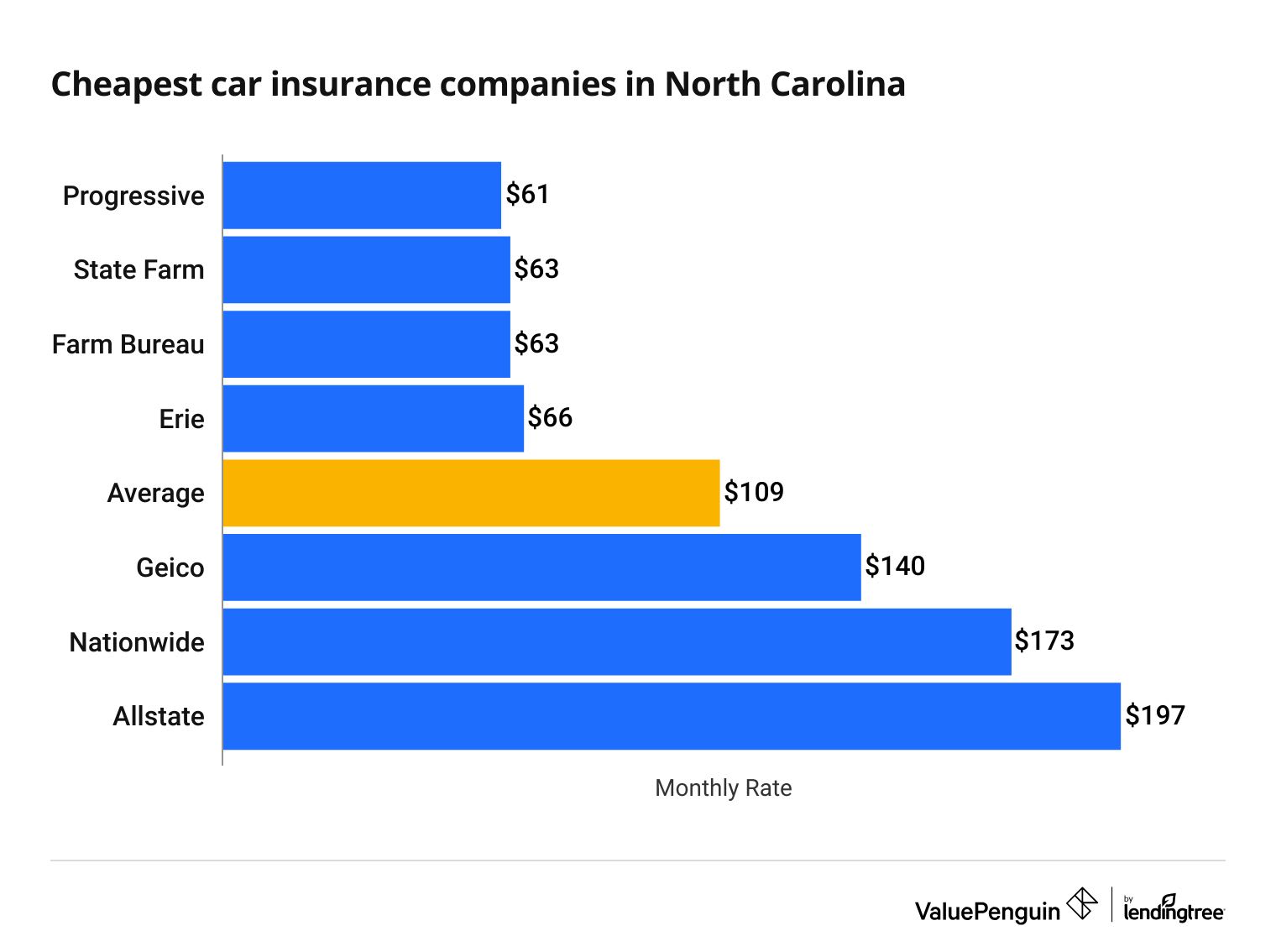
The fastest way to trim insurance costs in North Carolina is often hiding in plain sight: discounts you have not claimed yet. A smart rate is rarely just about the base premium; it is about stacking every legitimate saving opportunity your household qualifies for.
Most insurers in NC offer a familiar menu of discounts, but the real value comes from combining them correctly. Common options include safe driver, multi-policy, multi-vehicle, homeowner, good student, military, paperless, autopay, and telematics programs that track driving habits. Bundling auto with home or renters insurance can reduce total costs because carriers reward broader relationships, yet a bundle is not automatically the cheapest choice. Sometimes one company has strong auto pricing while another wins on renters or home coverage, so the best move is to compare the total annual cost both bundled and separate.
Stacking savings without missing hidden credits
Start by thinking beyond a single discount. An insurer may apply a safe-driver credit, then layer in paperless billing, automatic payments, and a telematics enrollment discount. If you own a home, insure more than one vehicle, have a student on the policy, or have military affiliation, the savings can become meaningfully larger. The key is not assuming the company automatically found everything for you.
Use the comparison table below to spot the most popular opportunities and when they usually matter most.
| Discount type | Who it fits best | What to verify |
|---|---|---|
| Safe driver | Drivers with clean records | How many claim-free or violation-free years are required |
| Multi-policy | Auto + home, condo, or renters households | Total bundled price versus separate policies |
| Multi-vehicle | Families with 2+ cars | Whether all vehicles must be garaged together |
| Homeowner | People who own a home, even if home is insured elsewhere | If ownership alone triggers a credit |
| Student, military, paperless, autopay, telematics | Eligible households seeking extra savings | Age, enrollment, service status, and driving-score rules |
When you ask for a discount review, be direct and systematic so nothing is skipped.
- Request a full discount audit for every named driver and every policy in the household.
- Ask the agent to list both applied discounts and available but missing discounts.
- Confirm eligibility rules for telematics, student status, military affiliation, homeowner status, and payment method.
- Get quotes in three versions: auto only, auto + renters, and auto + home.
- Compare the final annual premium, deductible levels, and coverage limits before choosing the lowest true cost.
Pro Tip: Ask, “Can you re-run this quote after checking every household-level discount, not just driver-level discounts?” That phrasing often uncovers overlooked savings.
These sample combinations show how discount stacking can work in real life.
- Single renter in Charlotte: safe driver + renters bundle + paperless + autopay + telematics.
- Married homeowners with two cars: multi-vehicle + home bundle + safe driver + homeowner + paperless.
- Family with a teen student driver: multi-vehicle + good student + home or renters bundle + telematics for experienced drivers.
- Military household near Fayetteville: military + safe driver + bundle + autopay + paperless.
- Remote worker with one vehicle and clean record: low-mileage telematics + safe driver + renters or condo bundle.
One final safeguard: if a bundled quote looks attractive, ask the insurer to show the line-by-line cost for each policy. That makes it easier to catch cases where the auto rate is excellent but the home or renters premium is inflated, which is exactly when separate policies may still be the better deal.
How to compare quotes accurately without sacrificing coverage
The cheapest premium can be the most expensive mistake if the protection underneath it is thinner than you think. To find the best insurance rates in NC, compare apples to apples, not a low number against a better policy hidden in fine print.
Start by collecting quotes with the same driver details, vehicle use, garaging ZIP code, annual mileage, and prior insurance status. Then lock the policy structure: identical bodily injury and property damage liability limits, the same uninsured/underinsured motorist limits, matching deductibles for collision and comprehensive, and the same optional add-ons. If one quote includes roadside assistance or rental reimbursement and another does not, the lower price is not truly lower; it is simply less coverage dressed up as savings.
Build a true side-by-side coverage mirror
Use a single comparison sheet and verify every line item before judging price. In North Carolina, uninsured motorist coverage matters because it helps protect you if a driver has no insurance, while underinsured motorist coverage can step in when the other driver’s limits are too low. Collision pays for damage to your car after a crash you cause or when fault is disputed; comprehensive helps with theft, hail, fire, vandalism, or hitting an animal. Roadside assistance is useful for towing or lockouts, but it can be skipped if you already have similar help elsewhere. Rental reimbursement can save cash if your car is in the shop after a covered claim. Gap coverage is worth a hard look if you financed or leased a newer vehicle and owe more than its current value.
The table below gives you a clean framework for lining up options without drifting into accidental underinsurance.
| Coverage feature | Low-cost option | Balanced option | High-protection option |
|---|---|---|---|
| Liability limits | State-minimum or near-minimum | 100/300/100 | 250/500/100 or higher |
| UM/UIM coverage | Match minimum structure | Match liability where possible | High limits aligned with assets |
| Collision deductible | $1,000 | $500 | $250-$500 |
| Comprehensive deductible | $500-$1,000 | $250-$500 | $100-$250 |
| Roadside / rental / gap | Add only if essential | Choose 1-2 based on need | Include all relevant protections |
Before you choose, run this quick review so the quote reflects real value rather than a tempting shortcut.
- Use the exact same driver names, DOBs, vehicle VIN, mileage, and garaging address on every quote.
- Match liability, UM/UIM, medical payments if included, and all deductibles exactly.
- Confirm whether roadside, rental reimbursement, and gap coverage are included, optional, or excluded.
- Check if parts are OEM or aftermarket, and whether claim settlement terms differ.
- Review payment fees, installment charges, and down payment requirements, not just the monthly premium.
- Compare the declarations page or coverage summary before buying.
Pro Tip: Ask each insurer for a revised quote using the same coverage template. That one step often exposes whether a “cheap” NC policy is truly efficient or simply stripped down.
Renewal timing deserves its own check because a strong quote today can shift later if discounts expire or a carrier changes rating factors. Review your policy before each renewal with this short timing list.
- Re-shop 2-4 weeks before renewal to allow time for corrections and underwriting questions.
- Verify drivers, vehicles, commute patterns, and annual mileage are still accurate.
- Revisit deductibles if your emergency fund has changed.
- Remove add-ons you no longer need, but keep protections tied to real financial risk.
- Compare the new renewal offer against your current coverage, not against memory.
Driver profiles and estimated rate patterns across North Carolina
In North Carolina, the “best” rate is rarely one-size-fits-all. A small change in age, driving history, or credit profile can push a premium sharply up or quietly pull it down.
Insurers price risk by looking at patterns they believe predict future claims. That means teens and new drivers often pay more because they lack history, while married couples and seniors may see steadier pricing when they show consistent habits. Credit history, prior coverage lapses, DUI records, speeding tickets, and at-fault accidents can also reshape premiums fast, especially when several factors stack together.
How life stage and risk signals reshape premiums
Profile matters because pricing follows probability, not just demographics. Teens, college students, and first-time drivers typically land in higher-priced brackets due to limited experience. Married couples may benefit from lower perceived risk and multi-driver stability, while seniors often see favorable rates if they maintain clean records, though prices can rise again if claims or violations appear. High-risk drivers and drivers with recent claims usually face the steepest increases, particularly when poor credit, a lapse in coverage, or multiple incidents appear together.
Here are realistic examples of how profile shifts can influence premiums across North Carolina:
- Teen on a family policy: usually expensive, but often cheaper than a standalone teen policy because shared household coverage lowers the cost impact.
- College student living away from home: may see modest relief if annual mileage drops and the vehicle stays mostly parked.
- Newly licensed adult driver: often pays more than an experienced driver of the same age because insurers have no long-term record to price.
- Married couple with two clean records: commonly sees better pricing than two separately insured single drivers with similar vehicles.
- Senior with a clean record: can remain competitively priced, but a recent claim or medical-related risk signal may reverse that trend.
- Driver with one speeding ticket: may face a noticeable bump, while multiple tickets usually trigger much steeper increases.
- Driver with a recent at-fault accident: often pays substantially more for several policy periods, especially if paired with a claim payout.
- Driver with a DUI or prior lapse: typically lands in a much higher-cost segment and may have fewer insurer options.
Credit history can quietly be one of the strongest pricing levers. In many cases, drivers with stronger credit profiles receive better rates than similar drivers with weak credit, even when both have clean records. A prior lapse in coverage can also signal instability to insurers, making a quote less competitive. Add a DUI, recent accident, or repeated speeding violations, and rates can move from standard to sharply elevated.
| Driver profile | Common risk factors | Usual pricing trend | Possible savings strategy |
|---|---|---|---|
| Teen or college driver | Inexperience, higher claim frequency, limited history | High to very high | Stay on family policy, good student status, lower mileage |
| New adult driver | No prior insurance record, no driving track record | Above average | Maintain continuous coverage, choose modest vehicle |
| Married couple | Few violations, stable coverage history | Below average to moderate | Bundle vehicles, keep both records clean |
| Senior, high-risk, or recent-claim driver | Claims, tickets, DUI, lapse, weak credit | Moderate to very high | Improve credit habits, avoid lapses, complete safe-driving course |
Pro tip: When your profile changes—marriage, graduation, a cleared violation, or restored continuous coverage—request fresh quotes right away. Those milestones can alter pricing faster than many drivers expect.
Smart shopping steps, policy timing, and common mistakes to avoid
The best insurance rates in NC rarely go to the last-minute shopper. A smart timeline, careful cancellation process, and a sharp eye for policy details can save money without creating risky gaps in coverage.
Start shopping 2 to 4 weeks before renewal, when you still have time to compare offers, verify underwriting details, and fix errors. Ask every carrier for the same liability, collision, comprehensive, uninsured/underinsured motorist, and deductible structure so the numbers stay honest. In North Carolina, cheap is only a win when the policy still satisfies the state’s required limits and matches how you actually drive, park, and use the vehicle.
Switching without slips or surprises
Use a disciplined process when moving from one insurer to another. First, request quotes based on identical coverage. Then review the deductibles, exclusions, optional endorsements, payment fees, and cancellation terms, because a lower premium can hide higher out-of-pocket costs later. Before you cancel the old policy, confirm the new policy is fully issued, paid, and effective on the correct date. After that, save your ID cards, declarations page, and any lender-required proof if the car is financed or leased.
This side-by-side view helps keep “cheap” from becoming expensive after a claim.
| What to Check | Why It Matters |
|---|---|
| Premium | Lower monthly cost is good, but it should not be the only decision point. |
| Deductible | A very high deductible can erase savings if you need repairs quickly. |
| Exclusions | Limits on delivery use, custom parts, or household drivers can create claim problems. |
| NC minimum limits | Missing required North Carolina limits can leave you noncompliant and exposed. |
| Proof of coverage | You may need immediate evidence for registration, financing, or roadside stops. |
Several mistakes repeatedly cost NC drivers money. Some drivers choose the cheapest premium only, without noticing weak coverage. Others ignore deductible changes, forget to read exclusions, or fail to verify that all drivers and vehicles are listed correctly. Another costly error is entering wrong mileage, garaging ZIP code, or commute details; if the information is inaccurate, the rate may look better at first but create pricing corrections or claim disputes later.
Practical cautions: Never cancel your old policy before the new one is active. Never assume the quoted price is final until underwriting is complete. Never “round” mileage or garaging details to make a rate look better, because accuracy protects both your premium and your claim.
If you want better rates over time, focus on becoming easier to insure. Carriers reward continuous coverage, cleaner driving behavior, accurate policy updates, and stable risk details. Even small improvements, such as reducing annual mileage, correcting who garages the car, or avoiding lapses between policies, can strengthen future quotes.
Use this action list to rate-shop with less stress and fewer mistakes.
- Mark your renewal date and begin comparing quotes 2 to 4 weeks early.
- Match the same coverage limits and deductibles across every quote.
- Check exclusions, fees, optional add-ons, and North Carolina required limits.
- Confirm the new policy is issued and effective before canceling the old one.
- Download proof of insurance and send documents to any lender or leasing company.
- Review mileage, garaging address, drivers, and vehicle use for accuracy.
- Maintain continuous coverage and improve driving habits to support lower future rates.
Final Thoughts
The strongest insurance strategy is simple: compare carefully, protect what matters, and never let a cheap premium hide weak coverage. When you shop with clear limits, honest details, and a discount checklist, the best insurance rates in nc become far more achievable and far more valuable.
Answers to Common Questions
What affects car insurance prices most in North Carolina?
Age, location, driving record, prior claims, credit-based factors, vehicle type, mileage, and chosen coverage limits usually shape the biggest price differences.
Do city drivers usually pay more than rural drivers?
Often yes. Urban ZIP codes can bring higher premiums because of heavier traffic, theft risk, and more frequent accident exposure, while many rural areas trend lower.
What are the most common coverage types?
Liability, uninsured/underinsured motorist, collision, comprehensive, medical-related options, roadside assistance, rental reimbursement, and sometimes gap coverage are the most common choices.
Should I buy only the state minimum coverage?
Not always. Minimum limits cost less upfront, but stronger liability limits and physical damage coverage can protect your savings far better after a serious loss.
How can I compare quotes accurately?
Use identical liability limits, deductibles, drivers, vehicles, mileage, and add-ons for every quote. If one detail changes, the comparison becomes misleading.
Can bundling really lower total insurance costs?
Yes, bundling auto with home or renters often reduces overall cost, but separate policies can still win when one carrier is much more competitive for a specific risk.
What discounts should I ask about first?
Ask about safe driver, multi-policy, multi-vehicle, homeowner, student, military, paperless, autopay, and telematics discounts, then confirm eligibility every renewal.