Choosing Medicare coverage can feel like decoding a maze, but Humana Medicare Supplement plans aim to turn confusion into clarity. These policies work beside Original Medicare, helping pay gaps like deductibles, coinsurance, and certain copayments so your healthcare costs can feel more predictable.
If you want freedom to see any provider that accepts Medicare, steady budgeting, and less surprise when medical bills arrive, this coverage deserves a close look. Unlike Medicare Advantage, a supplement plan does not replace Original Medicare, and unlike standalone drug plans, it focuses on medical cost gaps rather than prescriptions.





Overview of Humana Medicare Supplement Plans
Humana Medicare Supplement plans are built for people who want Original Medicare to go further, not leave them guessing at the bill. Think of it as a financial cushion that can turn coverage from “mostly helpful” into far more predictable.
Also called Medigap, Humana Medicare Supplement insurance works alongside Original Medicare Part A and Part B, not in place of them. Original Medicare generally pays its approved share of covered services first, and then a Humana Medicare Supplement plan may help pay some of the remaining out-of-pocket costs, such as copayments, coinsurance, and certain deductibles, depending on the standardized plan selected. This arrangement appeals to people who like the freedom of Original Medicare while reducing exposure to surprise medical expenses.
How Medigap Fits Into Everyday Medicare Use
The biggest reason many people choose a Medicare Supplement plan is simple: cost stability with broad provider access. If you use healthcare regularly, even small gaps in Original Medicare can add up. A Humana Medicare Supplement plan may help with expenses that otherwise come directly from your pocket, making budgeting easier and care decisions less stressful. Unlike plans that rely on local provider networks, Medigap is designed to support members who want flexibility when seeing Medicare-accepting doctors and hospitals.
It is also important to separate Medicare Supplement from other Medicare coverage choices. Medicare Supplement pairs with Original Medicare and helps cover eligible gaps. Medicare Advantage is an alternative way to receive Medicare benefits through a private insurer, often with its own network and rules. Standalone prescription drug coverage refers to Part D plans, which are purchased separately if you want help with most outpatient medications, because Medicare Supplement plans generally do not include routine prescription drug coverage.
| Plan Aspect | What It Covers | Member Benefit | Notes |
|---|---|---|---|
| Humana Medicare Supplement | Some Medicare cost-sharing left by Parts A and B | Helps reduce out-of-pocket medical expenses | Works with Original Medicare |
| Original Medicare | Hospital and medical services approved by Medicare | Nationwide access to Medicare-participating providers | Does not cap all personal cost exposure by itself |
| Medicare Advantage | Bundled Medicare benefits through a private plan | May include extra benefits beyond Original Medicare | Usually uses plan rules, service areas, or networks |
| Standalone Part D | Outpatient prescription medications | Adds drug coverage where needed | Often purchased separately with Medigap |
For many shoppers, the value is not just coverage on paper, but the confidence that comes with clearer expectations. A well-matched Medicare Supplement plan can be especially attractive if you prefer choice, simplicity, and fewer billing surprises over plan designs that may change by network or region.
Pro Tip: If you want the widest freedom to use doctors who accept Medicare, Medicare Supplement often stands out more than coverage models built around localized networks.
The following types of members may benefit most from this style of coverage:
- Frequent travelers who want access to Medicare-accepting providers in different locations.
- Predictable budget seekers who prefer help with deductibles, copayments, and coinsurance.
- Members wanting provider flexibility rather than a plan-centered network structure.
- People who expect ongoing care and want less exposure to repeated out-of-pocket costs.
- Original Medicare users who plan to add a separate Part D drug plan for prescriptions.
Humana Medicare Supplement Plan Options and Coverage Details
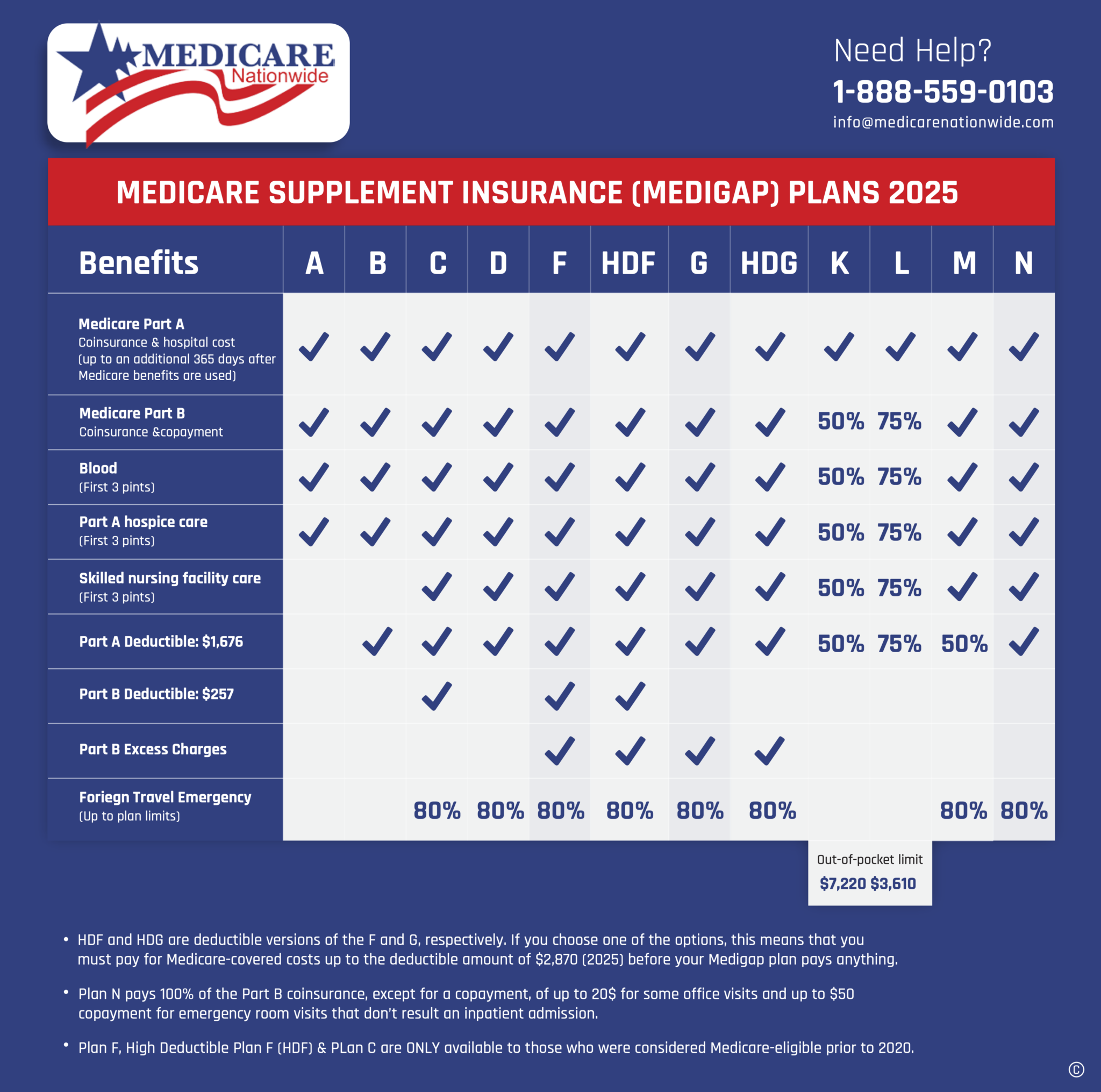
Choosing a Humana Medicare Supplement plan is less about chasing the longest feature list and more about matching coverage style to your real medical rhythm. The smartest pick balances predictable protection, out-of-pocket exposure, and the way you actually use care.
Medicare Supplement, or Medigap, plans are standardized by plan letter, which means Plan G from one insurer must cover the same core medical gaps as Plan G from another. That gives shoppers a useful baseline: benefits stay consistent, while premiums, added perks, billing simplicity, and service experience can differ by carrier. Humana is often compared through popular options such as Plan G, Plan N, and in some markets Plan K or Plan L, each designed with a different trade-off between monthly premium and cost-sharing when care is used.
How Plan Letters Shape Your Day-to-Day Protection
Most Medigap options commonly associated with carriers like Humana help cover important categories left by Original Medicare, including Part A coinsurance and hospital costs, Part B coinsurance, blood benefits for the first three pints, hospice cost-sharing, and in some plans Part B excess charges and foreign travel emergency care. The biggest differences usually come down to how much cost-sharing remains in your hands. For example, Plan G is known for broad protection after the Part B deductible, while Plan N may lower premiums but asks you to share some office visit and emergency room costs and does not cover excess charges.
| Plan Name | Core Coverage | Cost Considerations | Best Fit Scenario |
|---|---|---|---|
| Plan G | Strong coverage for Part A coinsurance, Part B coinsurance, blood, hospice, skilled nursing coinsurance, excess charges, and foreign travel emergency care; you pay the Part B deductible. | Typically higher premium, but very low ongoing surprise costs after the deductible. | Ideal for people who want dependable, near-comprehensive protection and value budgeting certainty. |
| Plan N | Covers major gaps like Part A and Part B coinsurance, blood, hospice, skilled nursing coinsurance, and foreign travel emergency care, but excludes excess charges and may include copays for some visits. | Usually lower premium than Plan G, with more pay-as-you-go cost sharing. | Good for enrollees who want solid coverage but do not expect frequent doctor visits. |
| Plan K | Covers 50% of several benefits until out-of-pocket limits are met; includes Part A coinsurance and partial support for other gaps. | Often lower premium, but higher exposure before protection feels complete. | Works for budget-focused shoppers comfortable trading lower premiums for more shared costs. |
| Plan L | Covers 75% of several benefits until reaching the annual out-of-pocket cap; stronger than Plan K in many categories. | Mid-range premium with a more protective cost-sharing structure than Plan K. | Fits those wanting a lower premium than richer plans without taking on the fullest risk. |
To make the comparison practical, think about how often you expect to use care and how comfortable you are with bills arriving after appointments.
- Low-usage enrollee: A plan like Plan N or sometimes Plan K may appeal if you mainly want backup for bigger events and prefer a lower monthly premium.
- Moderate-usage enrollee: Plan N or Plan L can suit someone who sees physicians regularly but still wants some premium savings.
- High-usage enrollee: Plan G often stands out for people who want fewer cost surprises, especially when specialist care or frequent treatment is likely.
Pro Tip: When two insurers offer the same plan letter, compare more than the premium. A slightly higher rate may feel worthwhile if the carrier offers smoother claims handling, clearer member tools, or stronger support access.
Costs, Premium Factors, and Value Comparison

The lowest premium is not always the smartest buy. With Humana Medicare Supplement coverage, the real win is finding a plan that protects both your monthly cash flow and your future medical budget.
Humana Medicare Supplement premiums can shift based on several pricing factors. Your rate may be influenced by age, since some plans cost more as you get older; ZIP code or state, because medical costs and local pricing differ by market; tobacco use, which often raises premiums; and gender where state law allows it. In some households, a multi-person or household discount can trim costs if more than one eligible adult applies. That means two people choosing the same letter plan may still receive very different quotes.
What Your Premium Really Buys
A premium is only the monthly sticker price. Total annual value is broader: it includes what you may still pay through deductibles, possible coinsurance, and how often you expect to use care. For example, a plan with a higher premium may save money over the year if you visit doctors often or want stronger protection against large hospital bills. A lower premium can look attractive at first, but if it leaves you with more out-of-pocket exposure, it may cost more when care is actually needed.
It also helps to understand rating methods in simple terms. Attained-age pricing usually starts lower, then rises as you age. Issue-age pricing is based on the age you are when you buy the policy, so buying younger can lock in a better starting rate, though inflation or other adjustments may still happen. Community-rated pricing generally charges people in the same area the same base premium regardless of age. Knowing which method applies can reveal whether today’s affordable rate is likely to stay manageable later.
| Cost Factor | Impact on Premium | Example Scenario | Savings Tip |
|---|---|---|---|
| Age | Can raise rates over time, especially with attained-age pricing | A 65-year-old may pay less now than a 75-year-old for the same plan | Ask how rates typically change over 5 to 10 years |
| Location | Rates vary by state, county, or ZIP code | Urban areas may quote differently than rural markets | Compare quotes using your exact ZIP code |
| Tobacco Status | Often increases monthly premium | A tobacco user may receive a noticeably higher quote | Check whether non-tobacco rates apply after quitting |
| Household Discount | May reduce premium for eligible members in one home | Spouses enrolling together may unlock a discount | Always ask if a household discount is available |
To compare affordability with more confidence, focus on practical cost behavior instead of premium alone:
- Review the monthly premium beside the plan’s deductible and any remaining cost-sharing.
- Estimate your expected doctor visits, specialist care, and routine outpatient needs for the year.
- Consider hospital risk, especially if you want stronger protection from large inpatient bills.
- Project costs over several years, not just year one, to see whether the plan fits your long-term budget.
- Compare the same plan letter across quotes so you measure price differences fairly.
Pro Tip: When comparing Humana Medicare Supplement options, ask for both the current premium and the pricing method. That single detail can tell you whether a plan is merely cheap today or genuinely valuable over time.
Eligibility, Enrollment Timing, and Application Process
Getting a Humana Medicare Supplement plan is often less about luck and more about timing. When you apply at the right moment, you can unlock broader acceptance and avoid unnecessary underwriting hurdles.
In most states, you are eligible for a Humana Medicare Supplement policy if you are enrolled in Original Medicare Part A and Part B. These plans work alongside Original Medicare, so having only one part is not enough for standard Medigap eligibility. Some states also allow access for beneficiaries under 65 who qualify for Medicare due to disability, but availability and pricing can vary by location.
Smart Timing Rules That Can Protect Your Approval
The strongest enrollment window is your Medicare Supplement Open Enrollment Period. It begins the month you are both age 65 or older and enrolled in Part B, and it lasts for six months. During this period, insurers such as Humana generally must offer you available Medigap coverage without using medical underwriting. That can be a major advantage if you have ongoing health conditions, recent procedures, or prescription-heavy medical needs.
Outside that protected window, certain guaranteed issue rights may still help. These rights can apply if you lose other qualifying coverage, move out of a plan’s service area, or your Medicare Advantage plan ends or stops serving your location. In those cases, timing matters: many guaranteed issue situations come with short deadlines, so delaying can mean losing the protection and facing underwriting instead.
If you apply when no protected right applies, Humana may use medical underwriting. That can involve health questions, medication review, or checks related to past diagnoses and recent hospital stays. Depending on the results, your application may be approved, priced according to state rules, or declined. This is why enrolling during your open enrollment period is often the most strategic move.
To make the process smoother, follow a clear application path rather than rushing the form.
- Prepare your information: Gather your Medicare number, Part A and Part B effective dates, address, and preferred start date.
- Select a plan: Compare the Humana Medicare Supplement plan letters offered in your ZIP code and match them to your expected out-of-pocket comfort level.
- Review provider access: Confirm your doctors and hospitals accept Original Medicare, because Medigap follows Medicare access rather than a narrow network.
- Check rates carefully: Request a quote based on age, gender, tobacco status, and location, and verify whether household discounts apply.
- Submit the application: Complete the form online, by phone, or with a licensed agent, and answer health questions accurately if underwriting applies.
- Confirm the effective date: Make sure the policy start date aligns with your Medicare coverage and any prior plan ending date to avoid gaps.
Pro Tip: If your Part B effective date is approaching, mark your six-month Medigap open enrollment window immediately. Missing it can turn a simple enrollment into a medical-approval process.
| Enrollment Stage | Required Action | Important Timing | Common Mistake to Avoid |
|---|---|---|---|
| Eligibility Check | Confirm enrollment in Part A and Part B | Before requesting a Humana Medigap quote | Assuming Part A alone is enough |
| Protected Enrollment Window | Apply during Medigap Open Enrollment or a guaranteed issue event | Best at Part B start plus first 6 months | Waiting until health issues appear |
| Plan and Access Review | Choose plan letter and verify Medicare-participating providers | Before submitting the application | Confusing Medigap with network-based coverage |
| Application and Start Date | Submit forms, answer questions, and set effective date | Allow enough time before desired coverage start | Picking a start date that creates a coverage gap |
One final tactical point: if underwriting applies, accuracy matters. Leaving out medications, past conditions, or recent treatments can delay review or jeopardize approval, while a complete application gives you the cleanest path to a faster decision.
Provider Access, Claims Experience, and Member Support
One of the biggest attractions of a Medicare Supplement policy is freedom. Instead of feeling boxed into a narrow network, many members value the ability to seek care with providers nationwide who accept Medicare.
For Humana Medicare Supplement members, that flexibility can matter just as much as the benefits themselves. In general, if a doctor, specialist, or hospital accepts Medicare patients, the supplement policy can work alongside Original Medicare there as well. That can be especially helpful for retirees who travel, split time between states, or simply want confidence that a referral maze will not stand between them and care.
How Everyday Use Feels After Enrollment
In most cases, the experience is designed to be straightforward. Medicare is usually billed first, and after Medicare processes its share, the claim is commonly sent to the Medicare Supplement insurer for the remaining covered portion based on the plan. For many routine services, members do not need to file separate paperwork themselves. What often matters more in real life is whether support is easy to reach, bills are easy to understand, and policy information is easy to find when questions come up.
When comparing the member experience, shoppers often look beyond coverage charts and focus on service basics that affect day-to-day convenience.
| Support area | Why it matters |
|---|---|
| Customer service | Helpful, responsive representatives can make billing and claims questions less stressful. |
| Digital account tools | Online portals or mobile access may help members review claims, payments, ID details, and documents faster. |
| Billing options | Automatic payments, paper billing, and clear premium notices can simplify monthly account management. |
| Policy documents | Easy access to artikels of coverage, notices, and member materials helps prevent surprises. |
Although the process is often smooth, members still benefit from understanding what they may need to do.
- Confirm the provider accepts Medicare before the appointment or admission.
- Present your Medicare card and supplement insurance information when requested.
- Review Medicare Summary Notices and any insurer explanations if charges seem unclear.
- Contact member support if a claim appears delayed, denied, or processed differently than expected.
Here is a simple example of how a claim may move through the system after a covered service.
- You visit a doctor or are admitted to a hospital that accepts Medicare.
- The provider submits the claim to Medicare first.
- Medicare reviews the service and pays its approved share.
- The remaining eligible balance is typically forwarded to the Medicare Supplement insurer through claim crossover coordination.
- The supplement policy processes payment according to the plan benefits.
- If all charges are covered under Medicare and the supplement plan, your out-of-pocket bill may be reduced or eliminated for that service.
- If something is not covered, you may receive a bill or explanation showing what remains your responsibility.
Important reminders: Always verify that a provider accepts Medicare, because Medicare Supplement access generally depends on Medicare participation rather than a separate network. Review the policy documents carefully so you understand what is and is not covered, and check the policy effective date before receiving non-urgent care to avoid assuming coverage has already started.
Strong member support can be a deciding factor, especially for people who want confidence not only in coverage, but also in the everyday experience of using it. A plan may look similar on paper to another option, yet faster answers, clearer billing, and better access to account tools can make ownership feel far easier over time.
Comparing Humana with Other Medicare Supplement Insurers
When two Medicare Supplement plans offer the same lettered benefits, the real difference often comes down to the insurer behind the card. That is where comparing Humana against other carriers becomes a smart, money-saving move.
Humana can look attractive for brand recognition, broad visibility, and occasional extras, but shoppers should place it side by side with competitors on the factors that matter most over time: premium stability, discount opportunities, state availability, underwriting flexibility, and ease of dealing with the company. Since Medigap benefits are standardized in most states, your best value may come from the carrier that keeps rate changes manageable and service straightforward, not simply the one with the lowest starting quote.
What Really Separates One Standardized Policy from Another
For shoppers who want value, compare total long-term cost rather than the first-year premium alone. Humana may be competitive in some ZIP codes, while other carriers may stand out with stronger household discounts or steadier rate history. For nationwide access, most Medigap insurers work with any provider that accepts Medicare, so the bigger distinction is company footprint and consistency across states. For simplicity, look for clean policy language, easy billing, reliable customer support, and fewer surprise rules. For lower monthly premiums, compare not only base price but also whether a carrier uses attained-age, issue-age, or community-rated pricing, because that shapes future affordability.
| Comparison Factor | Humana Snapshot | Other Carrier Snapshot | Shopper Consideration |
|---|---|---|---|
| Premium stability | Varies by market; may be competitive initially | Some regional or legacy carriers may show steadier increases | Ask for multi-year rate trend, not just today’s quote |
| Household discounts | May offer discounts in certain areas | Discount rules differ widely by carrier and state | Even a small discount can materially change long-term value |
| Service availability | Well-known national brand, but plan availability varies | Some carriers are stronger locally; others have broader state reach | Confirm the exact plan letter is sold in your ZIP code |
| Added perks and underwriting | May bundle wellness-style extras where available | Some competitors focus less on perks and more on pricing or lenient underwriting | Extras are nice, but acceptance rules and future rates matter more |
To judge insurer reputation, go beyond marketing. Review financial strength ratings for claims-paying confidence, scan complaint trends through insurance regulators, and read policy documents for clarity around pricing and renewability. Also pay attention to the real member experience: billing accuracy, call center responsiveness, and how easily issues get resolved. A carrier with a slightly higher premium may still be the better pick if it delivers fewer headaches and more predictable service.
Use this checklist to compare Humana with other Medicare Supplement insurers in a practical, side-by-side way:
- Coverage match: Start with the plan letter you want, then compare carriers only within that same letter.
- Premium fit: Check current monthly cost, available discounts, and the pricing method that could affect future increases.
- Enrollment timing: If you are outside guaranteed-issue windows, compare how strict each carrier may be with underwriting.
- Travel needs: Make sure the plan supports your preference for nationwide provider freedom and any foreign travel emergency benefits included in the chosen lettered plan.
- Long-term sustainability: Favor carriers with solid financial ratings, understandable policy terms, and a reputation for stable service.
Pro tip: If your priority is the lowest premium, request quotes from Humana plus at least two competitors and ask each one how rates have changed in recent years. If your priority is peace of mind, weigh service reputation and policy clarity just as heavily as price.
Final Summary
At its best, a Humana Medicare Supplement plan is not just extra insurance, it is a strategy for confidence. Compare plan letters, premium style, travel needs, underwriting timing, and long-term affordability carefully, and you can choose coverage that protects both your health access and your financial peace of mind.
Frequently Asked Questions
What is Humana Medicare Supplement insurance?
It is Medigap coverage sold by Humana that helps pay some out-of-pocket costs left by Original Medicare, such as coinsurance, deductibles, and certain excess charges depending on the plan.
How is it different from Medicare Advantage?
Medicare Supplement works with Original Medicare and usually offers wider provider flexibility, while Medicare Advantage replaces Original Medicare administration with a private plan that may use networks and set different cost rules.
Does it include prescription drug coverage?
No. Medicare Supplement plans generally do not include Part D drug coverage, so many members buy a separate standalone prescription drug plan if needed.
Who may benefit most from this coverage?
Frequent travelers, people who want predictable budgeting, and members who value seeing Medicare-accepting providers without worrying about networks often find it especially appealing.
Are benefits the same across insurers?
Standardized plan letters usually offer the same core medical benefits across carriers, but premiums, household discounts, customer service, digital tools, and underwriting approach can differ.
When is the best time to apply?
The strongest time is your Medicare Supplement Open Enrollment Period, which starts when you are 65 or older and enrolled in Part B. During this window, you typically get the best consumer protections and may avoid medical underwriting.
What affects the monthly premium?
Premiums may vary based on age, ZIP code, tobacco use, gender where allowed, rating method, and discount eligibility. The smartest comparison looks beyond price alone to total yearly value and expected healthcare use.